RE-TEXTURE
Retail display manufacturer, physical fixtures made for real stores.
Situation
RE-TEXTURE manufactures retail displays: physical, tactile fixtures that retail brands put in their stores. The old website treated that work like generic B2B content, text-first, with the actual materials and craft buried somewhere down the page.
Challenge
A product that sells on texture, finish, and how it holds up in a real store is hard to argue for through a template site. And a website that only shows the work, without anything behind it, stops earning its keep the day it ships.
The Play
Rebuild the site around the material quality of the work itself, then pair it with an ongoing lead generation engine so the site keeps working after launch instead of sitting still as a brochure.
Workflow
RE-TEXTURE came to me with the brief every web project starts with: "we need a new website." That's rarely the actual problem, and it wasn't here either.
RE-TEXTURE makes retail displays, physical fixtures that end up standing in real stores. That is a hard thing to sell through a website built on a generic template, because the entire pitch lives in the material: what the wood looks like up close, how the metal is finished, whether the thing looks like it survives a Tuesday in a busy shop. The old site treated all of that like ordinary B2B content: descriptive copy up top, the actual work several scrolls down.
Before I touched any layout, I went through their existing product photography to see whether it could carry a materials-first design. Some of it could. A good chunk couldn't: shot for a catalog, not for a screen, nothing that showed texture or scale or what the piece would feel like if you stood next to it. That gap had to close before I could build a design system that leaned on photography the way the product deserved.
Once that was sorted, I built the site around the product itself: large-format imagery, layouts that give the material room to breathe, copy that steps out of the way instead of narrating the work. The result reads like a portfolio of physical craft, not a brochure describing one.
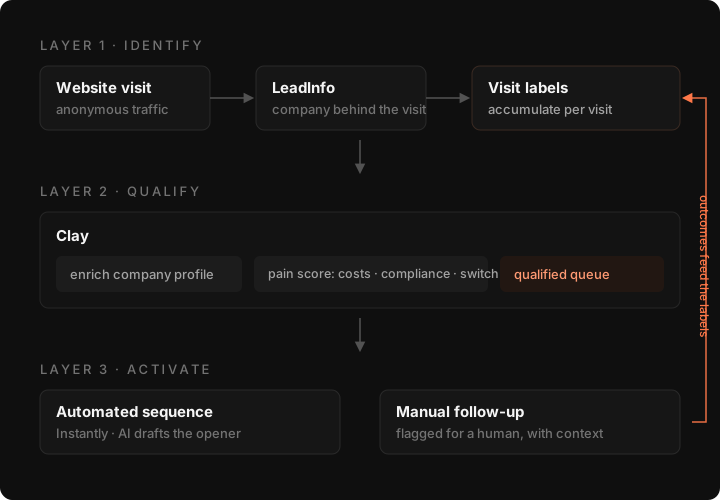
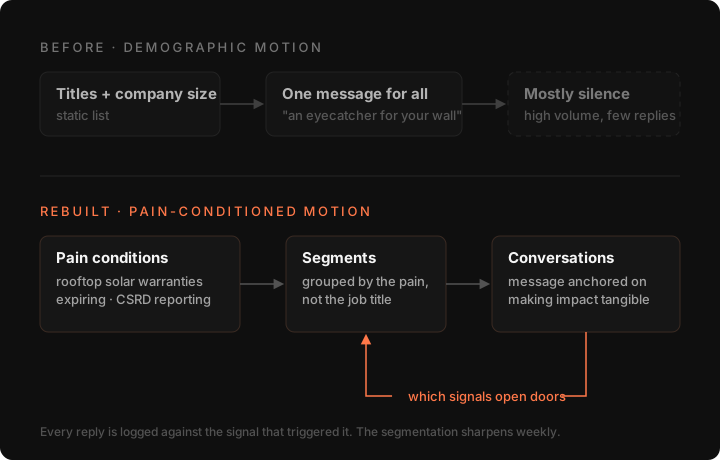
Then came the second half, the part that actually made this more than a redesign. A website that only exists for people who already know to visit it isn't doing much work on its own. So I paired the rebuild with an ongoing lead generation engine that runs in the background after launch, finding and reaching out to the kind of retail businesses that would actually buy this kind of work, instead of leaving new business entirely to whoever happens to land on the site.
That pairing is the actual point of the project. The site isn't the finish line, it's the front door for a process that keeps running long after the launch date, instead of sitting still and hoping the right person finds it.
Where it landed: RE-TEXTURE now has a site that argues for the material quality of its work on its own terms, backed by a lead generation layer that keeps bringing new retail prospects into view rather than leaving that entirely to word of mouth.
Highlights
Photography had to carry the design
A materials-first design only works if the product photography can hold up the argument, so that got fixed before layout did.
Design built around the product, not a template
Large-format imagery and layout choices that give the actual material room to breathe, instead of copy doing the selling.
The site doesn't retire at launch
A lead generation engine keeps finding and reaching out to relevant retail prospects after the build ships.